Top Tips for Choosing the Right ABA Blown Film Machine?
Choosing the right aba blown film machine is crucial for manufacturers aiming to optimize production efficiency. According to a recent industry report, the global market for blown film extrusion is projected to grow by 4.7% annually, highlighting the increasing demand for quality machinery. Expert John Smith, a senior engineer at XYZ Machinery, emphasizes, "Selecting the right ABA blown film machine can significantly enhance output and quality."
Understanding specific needs is vital. Different applications require different features. Factors like film thickness, production speed, and material compatibility must be carefully considered. Research indicates that up to 30% of production issues stem from improper machine selection. This statistic underscores the importance of thoughtful decision-making in machine procurement.
Manufacturers often overlook the significance of post-purchase support. A machine may have impressive specs, but without adequate service, it can lead to operational inefficiencies. It’s essential to balance features with reliable customer support. An informed choice can prevent costly mistakes and enhance long-term productivity.
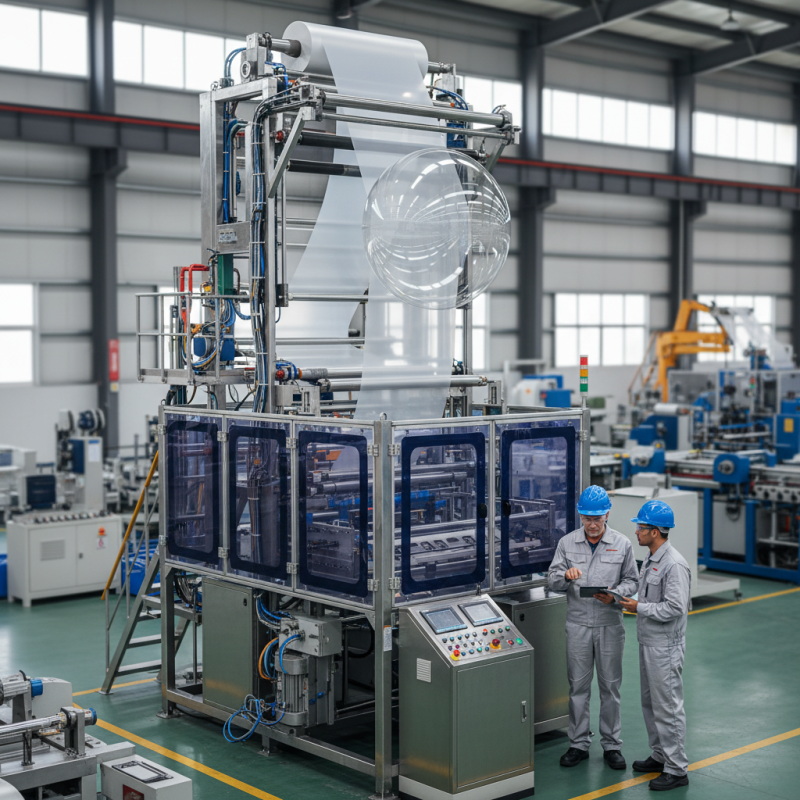
Factors to Consider When Selecting an ABA Blown Film Machine
When selecting an aba blown film machine, several factors deserve careful consideration. The production capacity of the machine is crucial. The output speed directly affects efficiency. It’s essential to assess your current and future production needs. Think about the volume of products you anticipate producing. It’s a common mistake to underestimate this.
Another key aspect is the machine’s design. Look for flexibility in the design for different film thicknesses. Some machines might struggle with versatility. You want one that can easily adapt to changing requirements. Additionally, the ease of operation and maintenance cannot be overlooked. A complex machine may hinder productivity due to frequent downtimes.
Consider the technical features as well. Advanced control systems enhance precision in film thickness. This can lead to better quality films. However, ensure that the technology is user-friendly. If the learning curve is steep, training will take longer. Aim for a balance of innovation and practicality. Reflect on these elements carefully; they can significantly impact your production line's efficiency.
Understanding the Technical Specifications of ABA Blown Film Machines
Choosing the right ABA blown film machine can be daunting. Understanding the technical specifications is essential. Pay attention to the output capacity. How much film do you need to produce daily? This will determine the machine size and configuration. Consider the thickness of the film. Machines can produce films ranging from very thin to thicker varieties. Make sure to check the die design as it affects film quality and uniformity.
Look into the extrusion technology. Variations exist, and each offers distinct advantages. Some machines allow for better control over material flow. This can impact the quality of the final product. Keep energy efficiency in mind as well. Machines consume different amounts of power. This factor affects operational costs in the long run. An efficient machine may seem more expensive upfront but could offer savings later.
Finally, review the maintenance requirements. A complex machine may lead to unexpected downtime. Simple machines can be easier to operate. However, they may lack advanced features. Finding a suitable balance is crucial. It's a process of trial and understanding. Adjustments might be necessary based on production needs.
Top Tips for Choosing the Right ABA Blown Film Machine
This chart illustrates the key technical specifications to consider when selecting an ABA blown film machine, including output capacity, film thickness, and number of layers.
Assessing Production Capacity and Efficiency Requirements
When choosing an ABA blown film machine, assessing production capacity is crucial. Understanding your production volume needs helps you avoid over or under-investing. Too often, businesses select machines based on initial cost rather than long-term output requirements. A machine that cannot meet projected production levels can lead to costly delays and wasted resources.
Efficiency is another key aspect. High-efficiency machines may require a larger upfront investment but often result in lower operational costs. It's essential to consider energy consumption and speed of production. Machines that consume excessive power can drive up costs over time, negating initial savings. Always factor in operational efficiency alongside production capacity.
Reflecting on your current setup helps in making informed decisions. What are your bottlenecks? Are you consistently fulfilling orders? Understanding these elements can guide you in selecting a machine that will fit your needs. Consider your future growth as well; flexibility for scaling operations is often overlooked but critical in today's market.
Evaluating Industry-Specific Needs for ABA Blown Film Applications
Choosing the right ABA blown film machine involves understanding your specific needs. Different industries require different specifications. For instance, the food packaging sector demands high-melt strength and barrier properties. On the other hand, agricultural applications might focus on UV resistance and durability. Identifying these needs early on can guide your decision-making process.
Consult with your team and stakeholders. Gather insights from those who will operate the machine. Practical experience can highlight what works and what doesn't. Look at your production volume and complexity too. Machines designed for lower volumes may not handle high-output demands well. It’s essential to match equipment capabilities with your production demands.
Consider the future growth of your business. Will the machine adapt to increased production needs? Flexibility can be a valuable asset. Finally, investing in training for operators is crucial. A well-trained team can maximize machine efficiency and minimize downtime. Reflecting on these factors will lead you toward a more informed choice.
Top Tips for Choosing the Right ABA Blown Film Machine
| Dimension | Specification | Importance | Considerations |
| Film Thickness | 10 - 100 microns | Critical for product usability | Match thickness with application |
| Layflat Width | 100 - 2000 mm | Affects packaging options | Choose based on product size |
| Output Speed | 5 - 300 kg/h | Impacts production efficiency | Assess production goals |
| Material Compatibility | PE, EVA, etc. | Essential for material performance | Ensure machine supports required materials |
| Control System | Digital/PLC | Affects ease of operation | Consider user-friendliness |
| Energy Efficiency | < 100 kWh | Cost-saving in long term | Look for energy ratings |
Comparing Cost and Value Among Different ABA Blown Film Machine Brands
When choosing an ABA blown film machine, comparing costs and value is crucial. Different brands promise various features at various prices. It's easy to get lost in the marketing hype. Focus on what you need for your production.
Check the specifications closely. Some machines may advertise high output. But if they lack durability, the cost-saving dips quickly. Production downtime can eat into profits, so reliability is key. Don’t forget to consider maintenance costs, as they can add up over time.
When budgeting, think about long-term value. A cheaper machine might save money upfront. It could also lead to higher operational costs and replacements sooner than expected. Take time to evaluate all options. Talk to industry peers about their experiences. Their insights can reveal hidden costs and potential issues.